

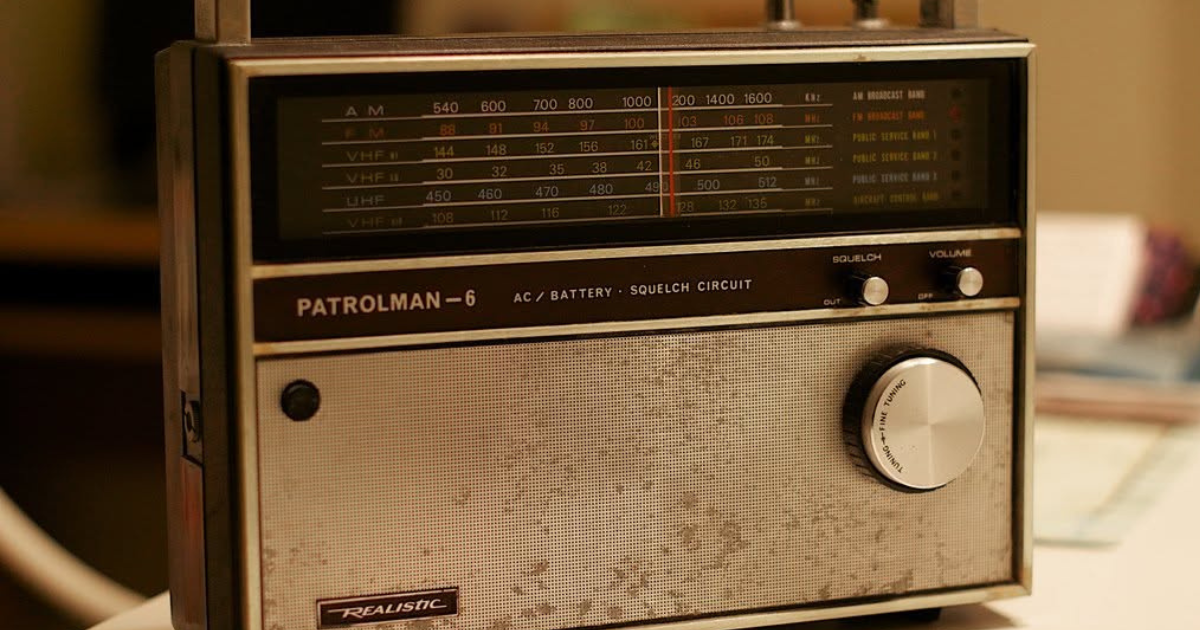
Radio has been part of my professional life for more than 35 years, so I’m probably more familiar than most with what radio advertising can do well, and what it can’t.
Radio can still be a very effective advertising tool. It can build awareness, create familiarity and reach a large local audience quickly.
But that doesn’t mean every business should be on the radio, or that every radio promotion is automatically a good marketing opportunity.
Like every other marketing channel, the question isn’t simply, “Does radio work?” The better question is, “Does radio make sense for what I’m trying to accomplish?”
Radio Is Very Good at Building Familiarity
One of radio’s greatest strengths is repetition. People may hear your message several times while they’re driving, working or going about their day.
Over time, your business name becomes familiar. And familiarity matters. When someone eventually needs the product or service you offer, being a name they already recognize can give you an advantage.
That makes radio particularly useful when your goal is to build broad awareness in a specific geographic market.
But Reach Isn’t the Same as Relevance
A large audience can sound impressive, but the size of the audience isn’t the only thing that matters. The people hearing your message need to be people who could realistically become your customers.
Before committing to a radio campaign, look at who the station reaches, where those listeners are located and whether that audience lines up with the people your business is trying to reach.
Ten thousand relevant listeners can be far more valuable than a much larger audience that has little reason to buy from you.
The Message Matters as Much as the Medium
Radio gives you a limited amount of time to make your point, so trying to say too much can quickly weaken the message.
A good radio ad usually has a clear purpose. What do you want the listener to know, remember or do after hearing it?
One strong idea, communicated clearly and consistently, is usually more effective than trying to squeeze every product, service, feature and offer into one commercial.
Promotions Need to Make Sense Too
Radio promotions can add extra value to an advertising campaign, but only when the promotion actually supports what your business is trying to achieve.
A contest, remote broadcast, sponsorship or special event may sound exciting, but ask what your business is getting from it. Who will it reach? How will your business be represented? Is there a natural connection between the promotion and what you sell?
A good opportunity isn’t good simply because it’s available. It needs to make sense for your business.
Think About What Happens After Someone Hears the Ad
Radio can introduce people to your business, but it rarely works in isolation.
Someone who hears your commercial may search for your business online, visit your website, look at your social media or check your reviews before deciding what to do next.
Make sure the rest of your marketing is ready for that attention. Your website, Google Business Profile and other customer touchpoints should make it easy for someone to take the next step.
The Bottom Line
Radio can still be a valuable part of a marketing plan, particularly when you want to build awareness and familiarity in your local market.
But it should earn its place in your plan just like every other marketing opportunity. Look at the audience, the message, the cost and what you’re trying to accomplish.
The question isn’t whether radio advertising works. It’s whether it works for your business, for this particular goal, at this particular time.